01
Clarifying ambition and ambiguity
The organisation knows change is needed, but evidence, ambition and measures of success do not yet point to the same destination.
Allow session replay and heatmaps through Microsoft Clarity. This helps identify friction and missed content. Sensitive page content is masked, and structured portfolio measurement remains separate.
Approach
I use experience design to connect human evidence, organisational intent and delivery reality. Collaboration produces clearer decisions, explicit ownership and a path teams can act on.
To help your team understand what people value, agree what needs to change and deliver a better service together.
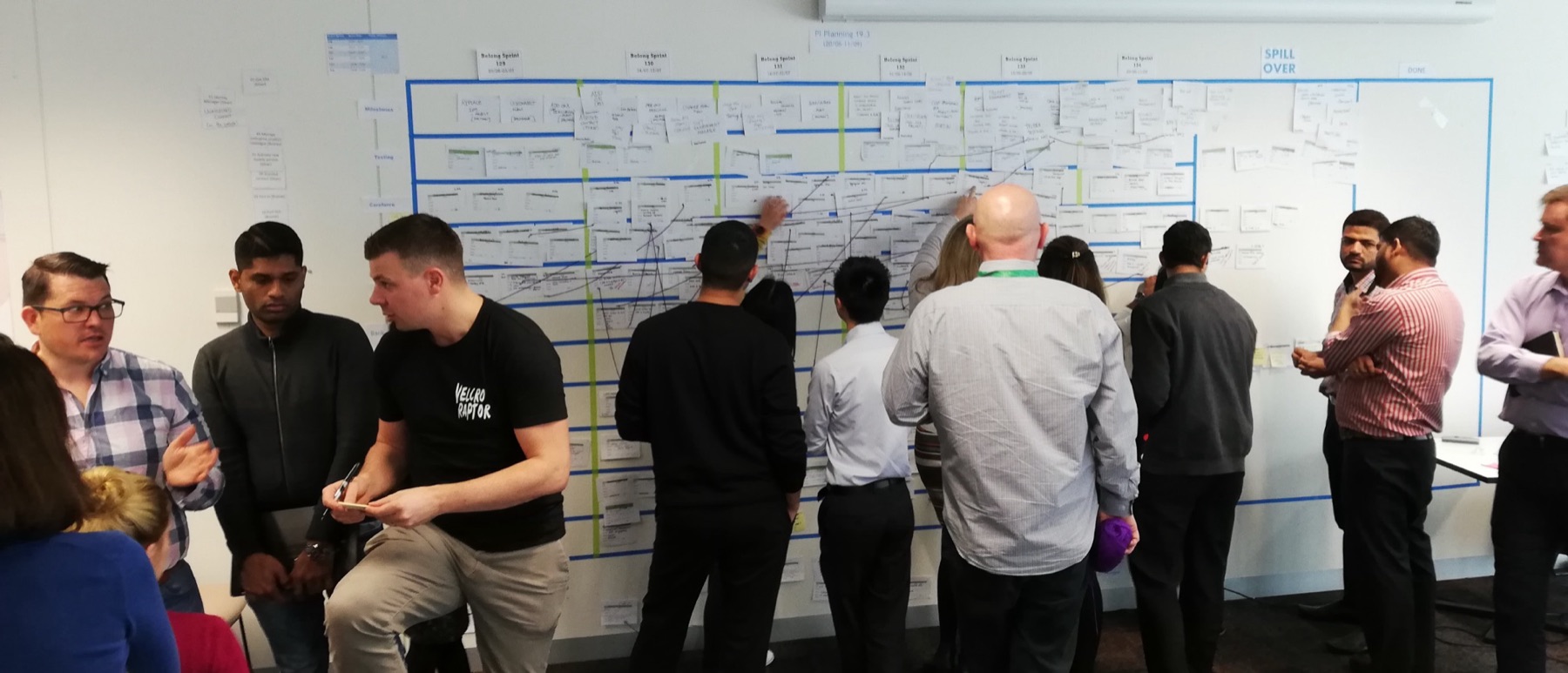
Inside the organisation, teams need a shared view of how the service works. Experience design connects your people, processes, policies and technology so they can agree what to change and how to deliver it.Stronger alignment.
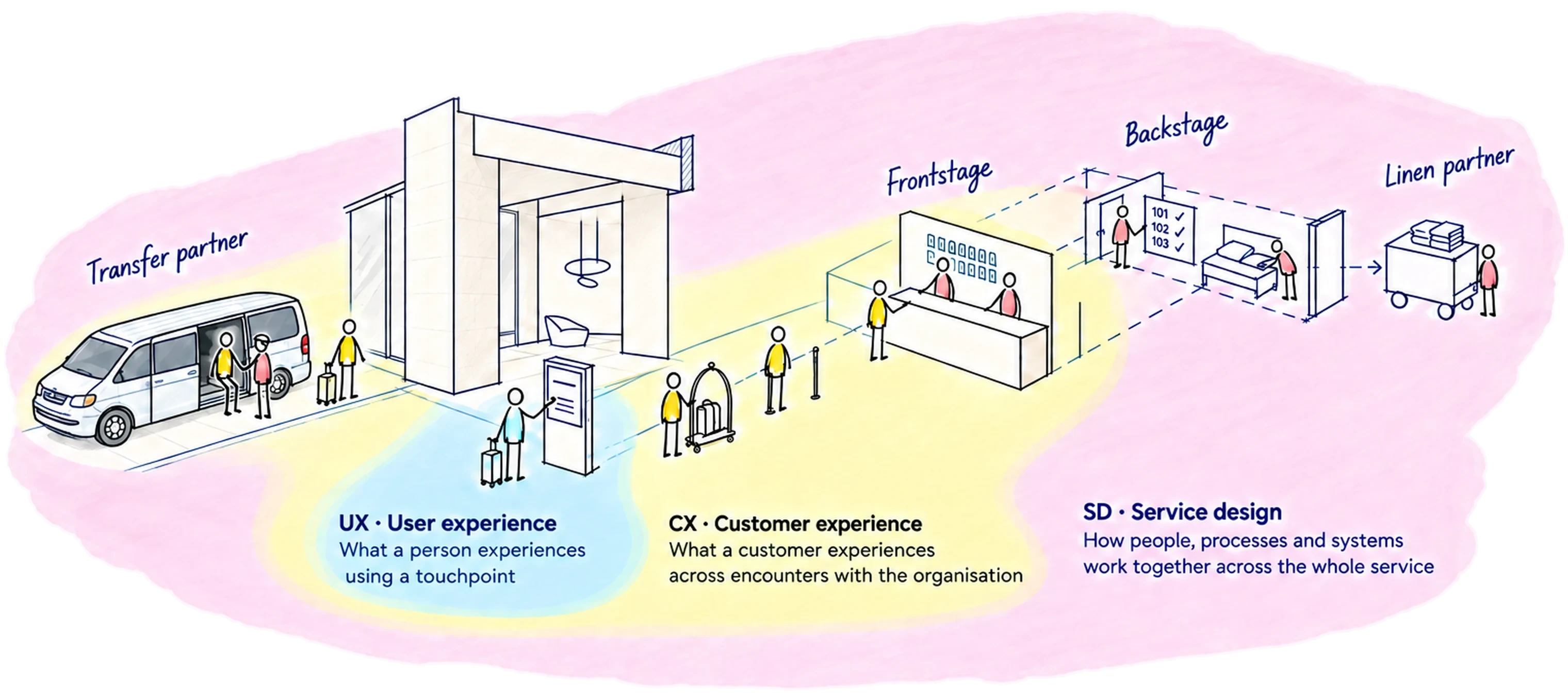
Customers and partners are part of the extended team. Their actions, needs and feedback shape how the service works. Bringing them into the design helps everyone see the whole experience and improve it together.System-wide thinking.
What
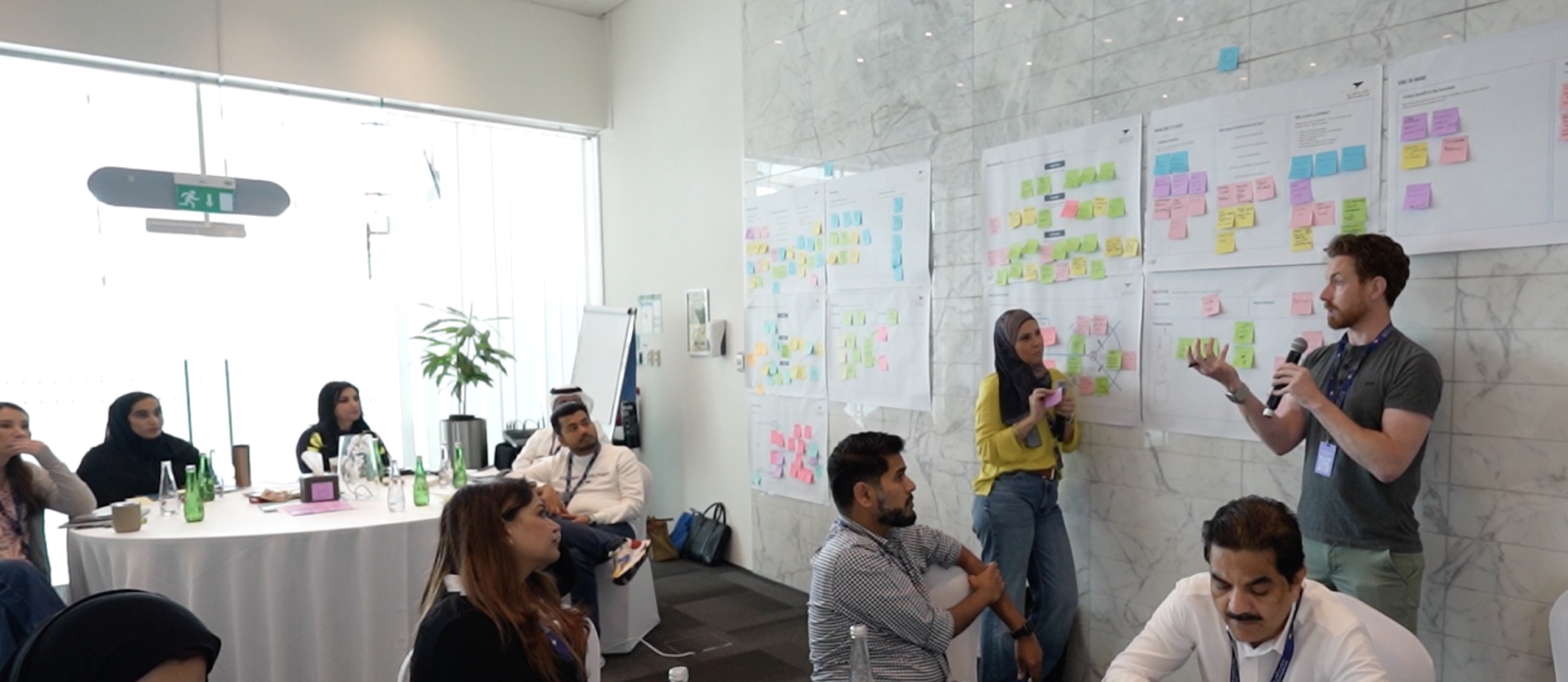
Experience design is most useful when one function cannot solve the challenge alone: ambitious goals need interpreting, fragmented experiences need reconnecting, new ideas need a path to delivery, or strategy needs translating into coordinated action.
Typical Challenges
The organisation knows change is needed, but evidence, ambition and measures of success do not yet point to the same destination.
Customers experience one service, but ownership is split across channels, functions, policies and systems, creating friction nobody owns in full.
A new offer or way of working needs to be made desirable for people, viable for the organisation and feasible to deliver.
Insight or strategy already exists, but teams need clear priorities, ownership, operating requirements and a sequenced path into delivery.
How
Experience design draws on three complementary skills: Ecosystem Design, Human-Centred Strategy and Systematic Innovation. The mix changes with the challenge, but each carries evidence and intent into work a team can deliver.
01
Understand what people value.
Understanding the whole service and shaping coherent experiences across channels, teams, policies and technology.
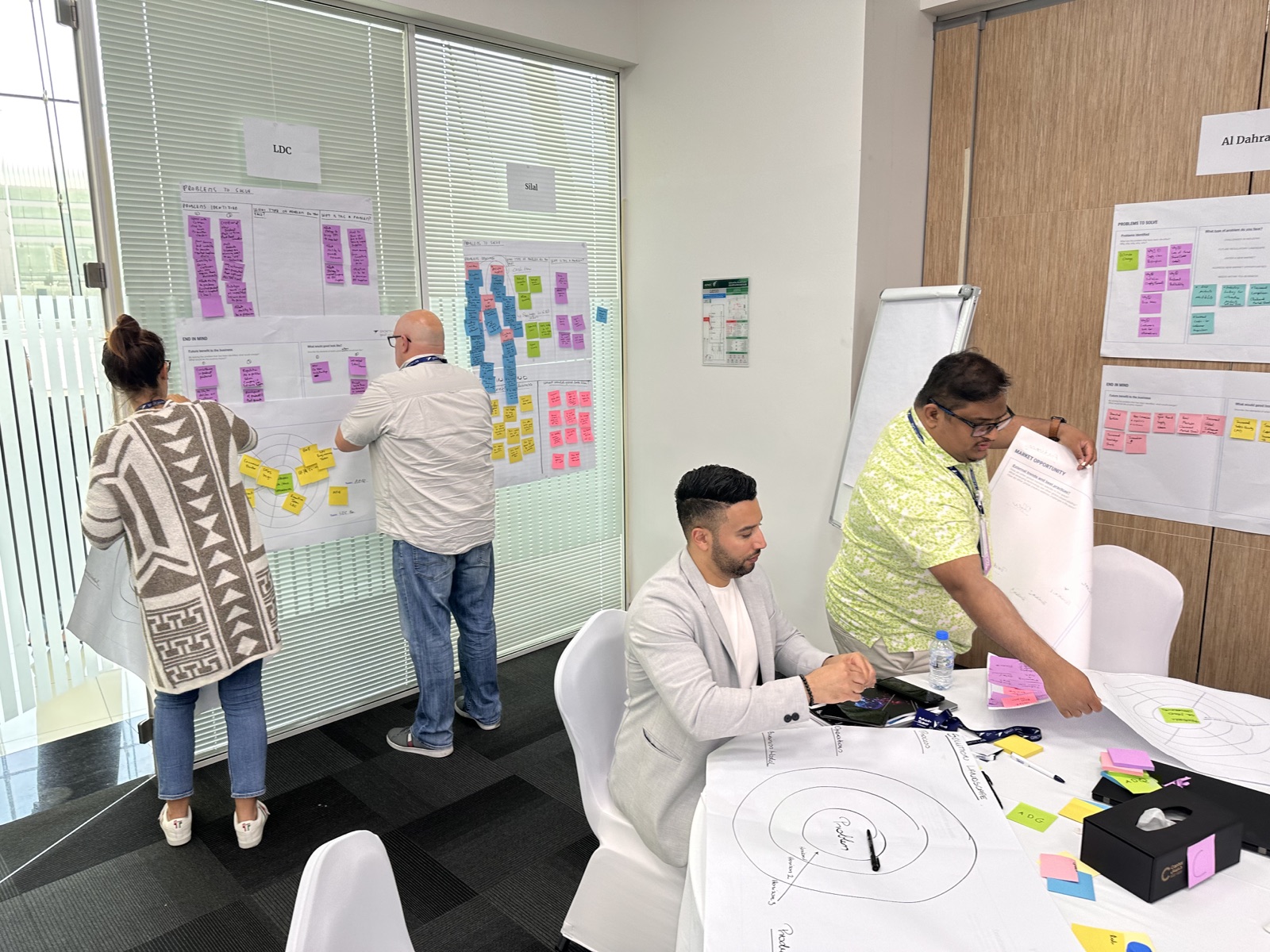
Methods: Interviews, contextual enquiry, voice-of-customer analysis, synthesis, personas, journey management, blueprints, co-design and service prototyping.
Tools: Dovetail, Smaply, Figma, FigJam, Miro and Adobe Creative Cloud.
See it working
Explore Belong’s SIM activation ecosystem
Move through the real service blueprint from plan selection to activation. Inspect the customer journey, service responses, backstage systems and failure points that had to work as one.
02
Align that value with organisational intent.
Connecting evidence about people to commercial ambition, leadership choices and an operating model that can sustain the change.
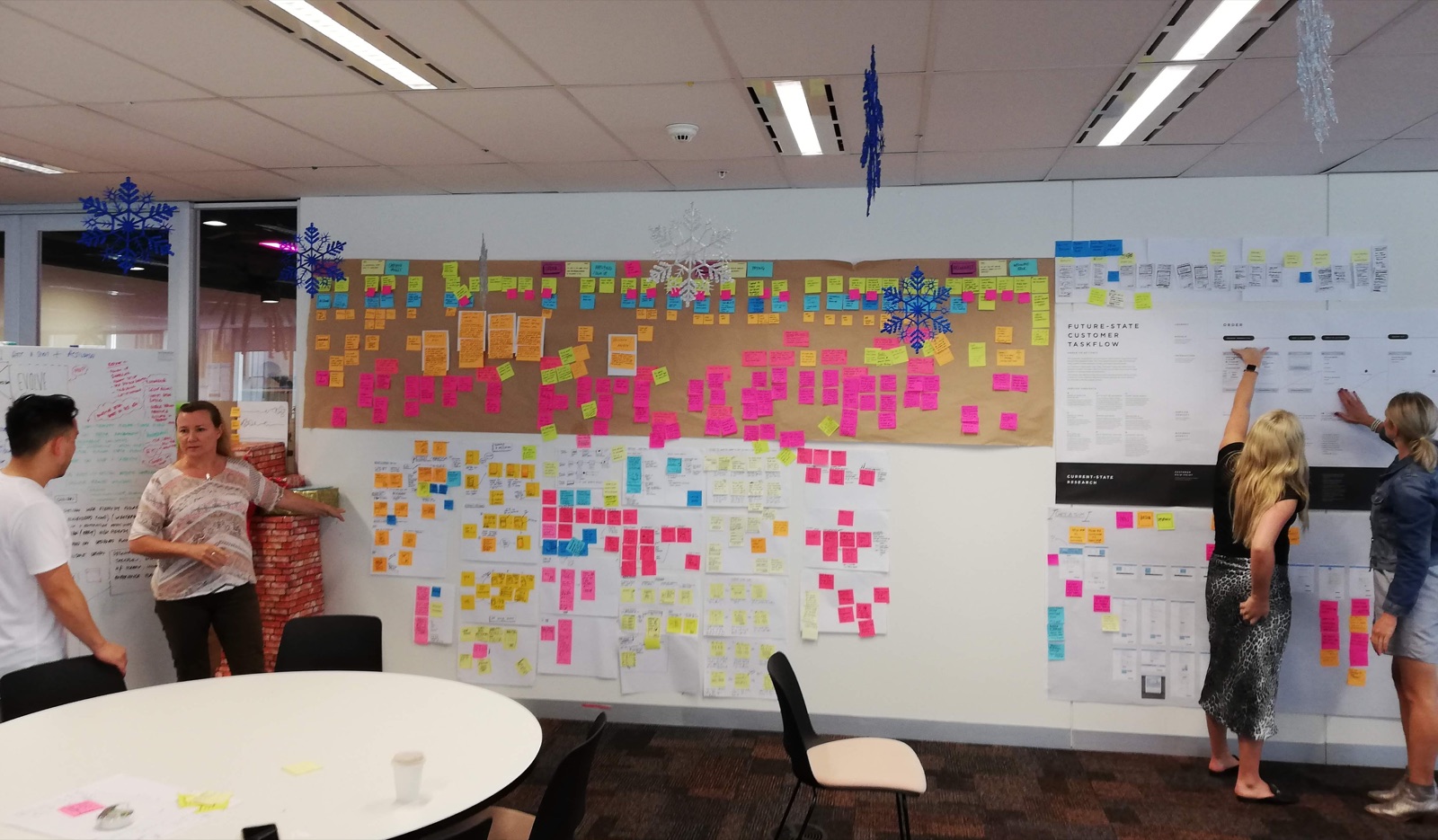
Methods: Market and secondary research, opportunity framing, value frameworks, principles, OKRs and KPIs, decision papers, responsibility mapping and governance rhythms.
Tools: Jira, Confluence, ClickUp, Miro, FigJam, Gamma.
See it working
Explore strategy as a product
Navigate a strategy where vision, human and commercial value, OKRs and roadmap live as one leadership tool.
03
Create, deliver and improve the response.
Turning strategic intent into a repeatable system for finding, testing and scaling opportunities rather than relying on isolated ideas.
Methods: Opportunity framing, experiment design, discovery, story mapping, prioritisation, roadmap and backlog design, decision gates, adoption loops and outcome tracking.
Tools: Jira, Confluence, ClickUp, Figma, FigJam, Miro, Make.com and Zapier.
See it working
Explore the evidence-to-outcome lifecycle
See evidence, decisions and delivery artefacts connect through a repeatable system from framing to measured outcome.
Working together
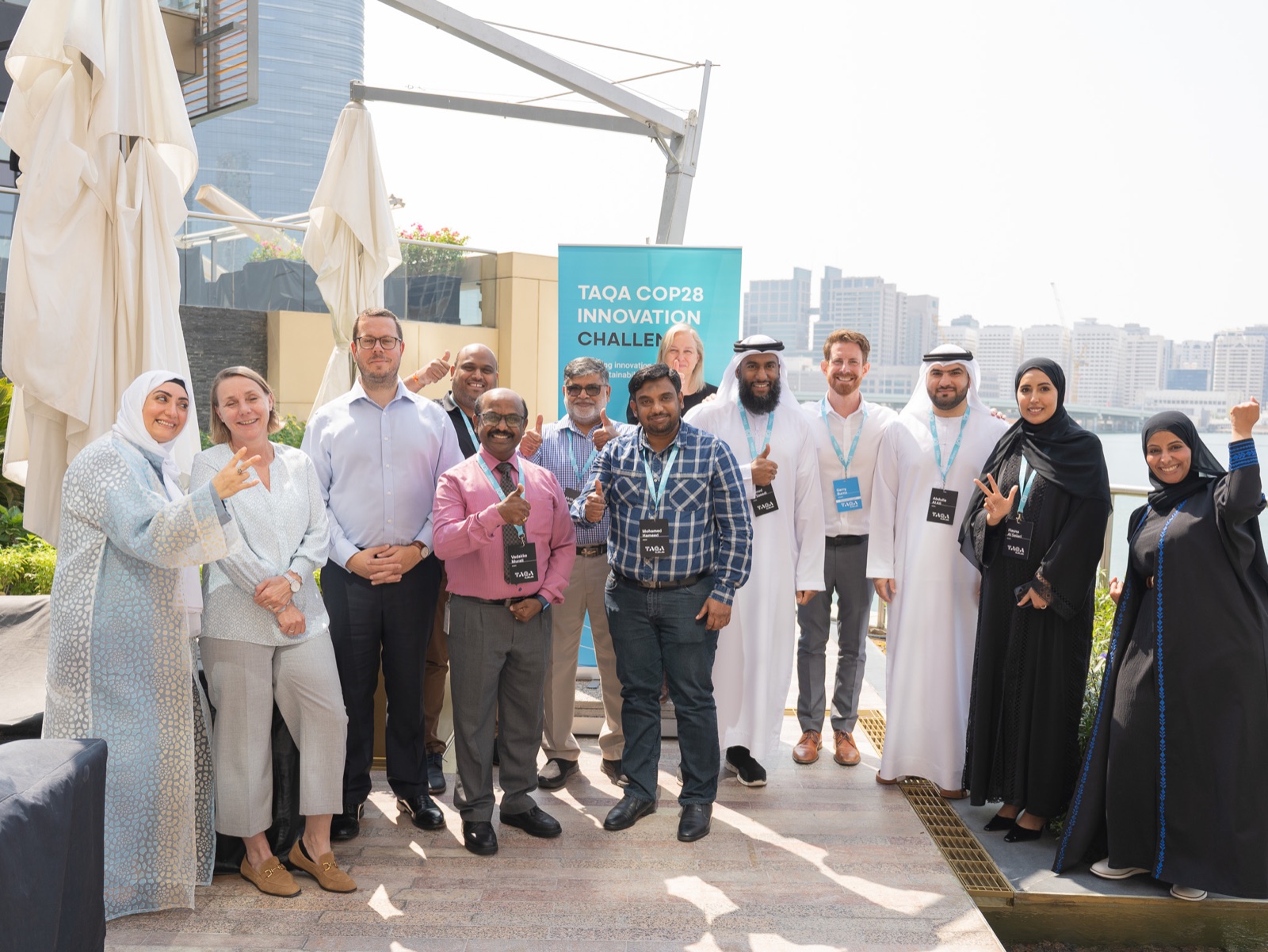
I create enough structure for people to move together without closing the problem too early. The room stays collaborative, the evidence stays visible and decisions leave with owners.
01
I make the ambition, trade-offs and decision rights explicit. People should know what matters, what remains uncertain and where they have authority to act.
02
I design sessions so expertise is used, disagreement becomes useful and participants build the answer together rather than watch one being presented to them.
03
Options are judged against human value, organisational intent and delivery reality. The decision, its owner and its downstream consequences remain traceable.
Over to you
Most opportunities arrive through one of three doors: something people need, a business priority or a technological efficiency. Choose the place that sounds most like yours. The model will bring into focus what may be overlooked and which perspectives need to come together before the opportunity is balanced enough to act on.
Explore your challenge
Your starting point
Start here
Understand what is turning innovative opportunities into corporate challenges.
What you’ll uncover
Who is missing from the conversation and holding you back from success?
Start a conversation
I can help expose the missing perspectives, decisions and owners, then work out whether experience design can connect the whole.